
Top 5 Mistakes to Avoid When Setting Up LED Walls for Events
TA
Understanding the Basics of LED Wall Setup
LED walls have become a popular choice for event organizers looking to enhance visual appeal and audience engagement. However, setting them up can be tricky. By understanding the basics, you can ensure a seamless presentation. A critical mistake to avoid is underestimating the technical requirements of LED walls. These advanced systems demand specific power and connectivity setups to function effectively.
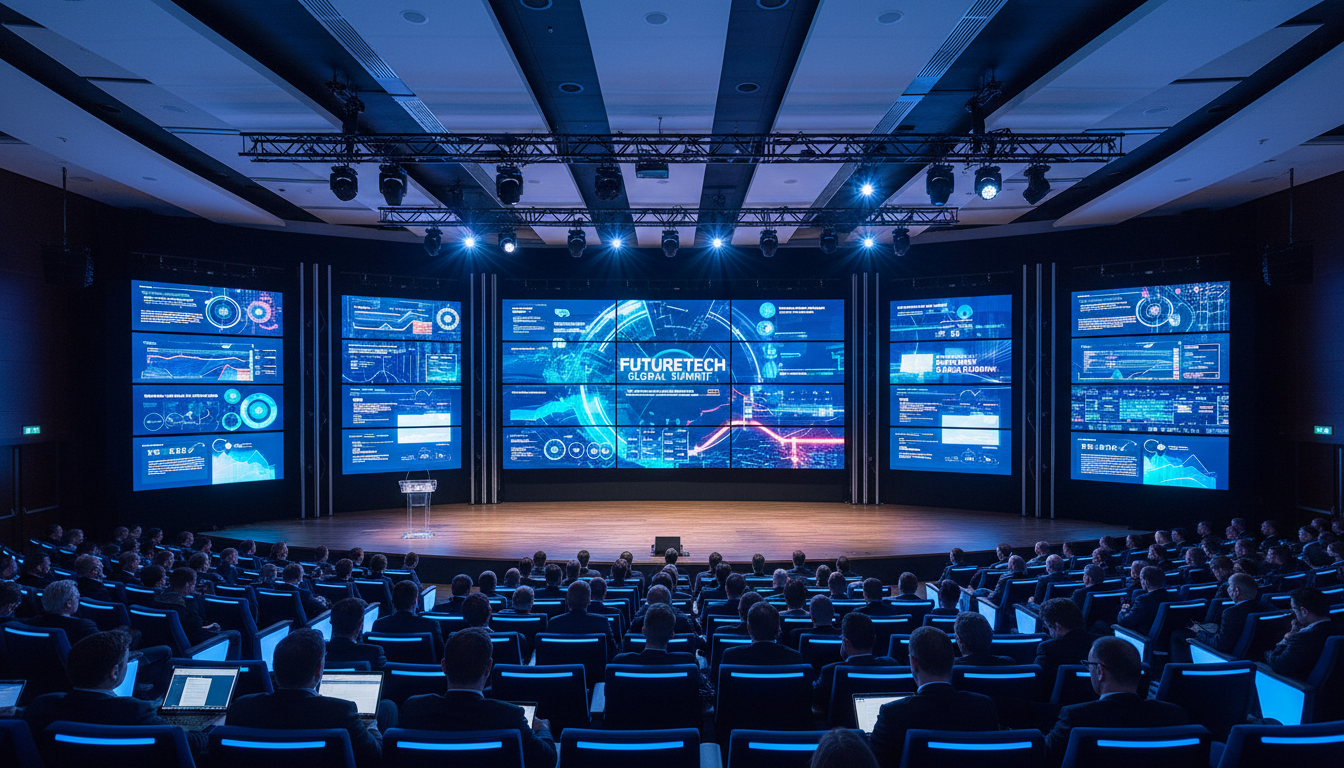
Another foundational aspect is selecting the right size and resolution for your event. The venue size and viewing distance should guide your choice. A mismatch in size or resolution can lead to a suboptimal viewing experience, leaving audiences unimpressed.
Ensuring Proper Content Design
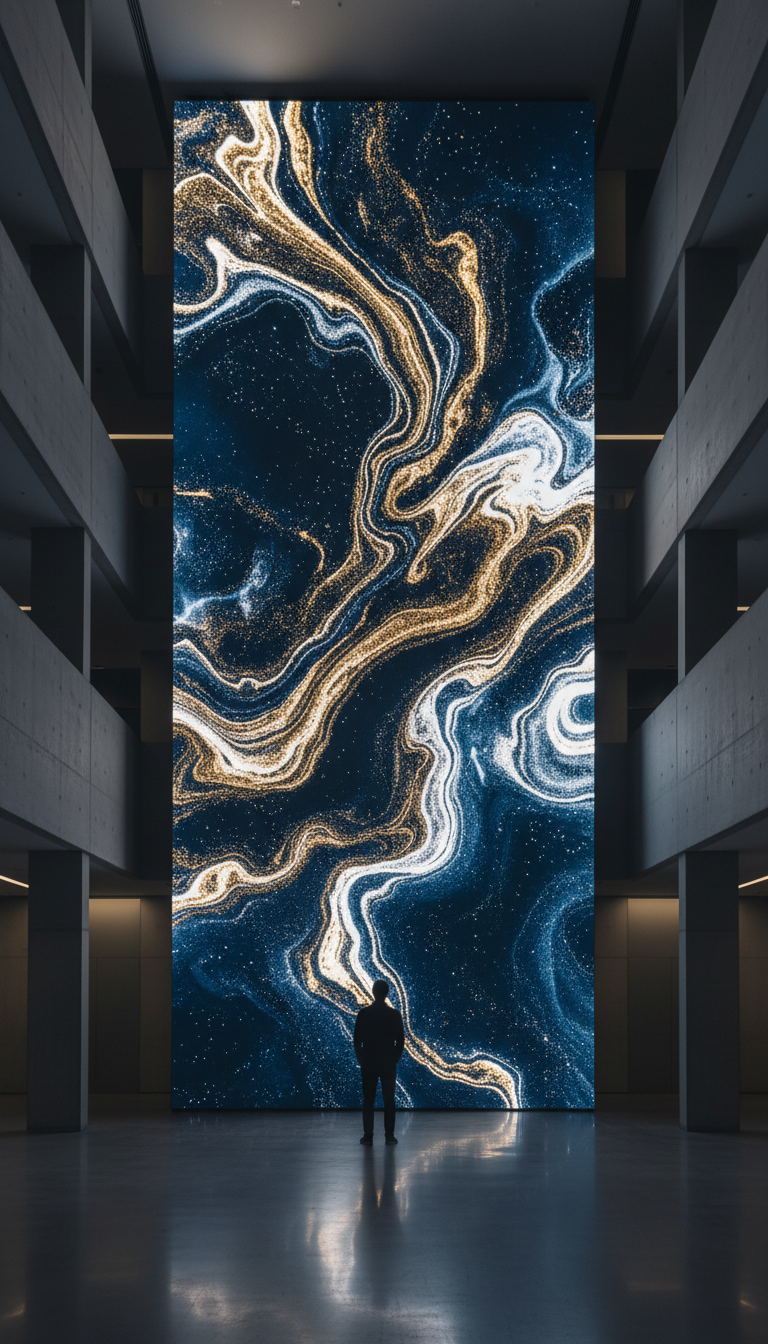
Designing content for LED walls requires special attention. A common mistake is not adapting the content to fit the screen dimensions. Content that looks good on a computer screen may not translate well to larger LED displays.
Utilize high-resolution images and videos to prevent pixelation. Moreover, consider the aspect ratio to ensure that your visuals appear as intended. Poorly designed content can detract from the overall impact of your event.
Managing Power and Connectivity
Power and connectivity are vital components of a successful LED wall setup. One of the top mistakes is failing to account for the power load of the LED wall. Ensure you have adequate power sources to avoid outages during the event.
Connectivity is equally important. Plan for reliable data connections and have backup solutions in place. A disruption in connectivity can halt your presentation, causing unnecessary delays and frustration.
Conducting Thorough Testing
Skipping thorough testing is a mistake that can lead to disaster on the event day. Allocate time for a complete test run of your LED wall setup. This includes checking all hardware, software, and content to ensure everything works as expected.
Testing also helps identify potential issues that can be resolved before the event. This proactive approach minimizes the risk of technical glitches and enhances the overall smoothness of your presentation.
Planning for Environmental Factors
Environmental factors can significantly impact the performance of LED walls. Failing to consider these can result in poor visibility or equipment damage. For outdoor events, weather conditions such as rain, wind, and sunlight can affect the display quality.
Use weather-resistant equipment for outdoor setups and plan for potential weather changes. Additionally, consider the ambient lighting in indoor venues, as it can also influence the visibility of the LED wall.
Conclusion
Avoiding these common mistakes when setting up LED walls can lead to a successful and visually captivating event. Prioritize understanding the technical requirements, design content appropriately, manage power and connectivity, conduct thorough testing, and consider environmental factors to ensure your event runs smoothly.
By following these guidelines, you'll be well-equipped to deliver an impressive visual experience that engages and captivates your audience.